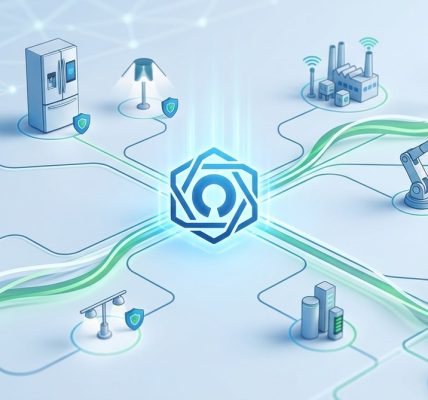

Creating a smart home or IoT ecosystem that works smoothly across different devices and platforms can feel like a puzzle. Fortunately, open-source solutions are making it easier than ever to develop interoperable smart devices that communicate effortlessly. Whether you’re a developer, tech enthusiast, or IoT professional, understanding how to harness open-source frameworks can unlock new levels of flexibility and security in your smart devices. This guide walks you through the essentials of building open-source, interoperable smart devices that form cohesive smart home ecosystems.
Building interoperable smart devices with open-source technologies allows for flexible, secure, and scalable smart home systems. By choosing the right frameworks and following practical steps, developers can craft ecosystems that easily integrate diverse devices and protocols, ensuring seamless operation and future growth.
Understanding the importance of open-source in smart device interoperability
The landscape of smart devices is rapidly expanding. From smart lights and thermostats to security cameras and voice assistants, each device often comes from different manufacturers and uses different communication protocols. This diversity creates a challenge known as device fragmentation. Without standardization, integrating these devices into a unified system can become complex and fragile.
Open-source solutions provide a way to bridge this gap. They foster transparency, community collaboration, and customization. Open standards like the Matter protocol have emerged as powerful tools to promote interoperability. By leveraging open-source frameworks and protocols, developers can ensure their devices work together without relying on proprietary platforms that lock users into specific ecosystems.
How to build interoperable smart devices step-by-step
Creating a smart device ecosystem that communicates across diverse hardware and software requires a structured approach. Here are the core steps to follow:
-
Identify your interoperability goals
Determine which devices and protocols you want to connect. Consider existing hardware, future scalability, and security requirements. -
Select open-source protocols and frameworks
Use standards like the Matter protocol for device communication. Explore open-source platforms such as Home Assistant or OpenHAB that support multiple protocols and devices. -
Design your device architecture
Decide on the hardware components—microcontrollers, sensors, communication modules—that fit your needs. Opt for open hardware when possible to enhance transparency and customization. -
Develop or adapt firmware and software
Use open-source SDKs and libraries to program your devices. Ensure your firmware supports the selected protocols and is secure. -
Implement testing and validation
Test device interoperability in controlled environments. Check for protocol compatibility, security vulnerabilities, and user experience. -
Deploy and iterate
Roll out your devices into real-world environments. Collect feedback, monitor performance, and update firmware to improve interoperability.
Practical tips for success
- Choose open-source frameworks with active communities. They offer better support and ongoing updates.
- Prioritize security at every step. Use encryption and authentication protocols.
- Document your architecture and code thoroughly. This facilitates future upgrades and collaboration.
- Collaborate with other developers. Community-driven projects often yield innovative solutions.
Techniques for ensuring true interoperability and avoiding common pitfalls
Interoperability is more than just connecting devices. It involves ensuring consistent communication, data sharing, and control across different platforms. Here are techniques and mistakes to avoid:
| Technique | Mistake to Avoid |
|---|---|
| Use standardized protocols like Matter or MQTT | Relying solely on proprietary protocols that hinder cross-device compatibility |
| Adopt open hardware components | Using closed or proprietary hardware that limits customization |
| Modular design for firmware | Hard-coding device-specific settings that reduce flexibility |
| Continuous testing across different devices | Assuming compatibility without thorough validation |
| Engage with open-source communities | Ignoring community resources and updates |
“Designing for interoperability requires a mindset shift. Think beyond your device and consider how it fits into a larger ecosystem. Engage with communities, stay updated on standards, and prioritize open protocols.” — IoT security expert
Common mistakes to avoid
- Overloading devices with unnecessary features that complicate communication
- Neglecting security measures, leaving vulnerabilities open
- Ignoring firmware updates, which can lead to compatibility issues
- Failing to document architecture and code, making future maintenance difficult
Practical techniques to enhance device interoperability
- Implement protocol translation layers to bridge different standards
- Use mesh networking for resilient connections
- Incorporate device discovery mechanisms to simplify setup
- Apply security best practices such as TLS encryption and device authentication
Wrapping up the power of open-source in smart device ecosystems
Building interoperable smart devices with open-source tools transforms the way you create connected environments. It offers freedom from vendor lock-in, enhanced security, and the ability to adapt as technology evolves. By following structured steps, leveraging community resources, and adhering to open standards, you can craft ecosystems that are both robust and flexible.
Remember, the key to success lies in thoughtful planning, thorough testing, and continuous learning. Embrace open-source solutions as a way to innovate freely and build smarter, more connected spaces that truly work for your needs.
Embracing the future of connected living
Developing interoperable smart devices is not just about technology but creating ecosystems that empower users and inspire innovation. With open-source solutions, you can push boundaries, customize your setup, and ensure your devices work harmoniously. The journey involves collaboration, experimentation, and a passion for making technology work seamlessly together.
Start small, test often, and keep learning. As the community grows and standards mature, your smart ecosystem will become more reliable and capable. The future is open, connected, and full of possibility.
Happy building your interconnected smart devices. With open-source tools, the only limit is your imagination.