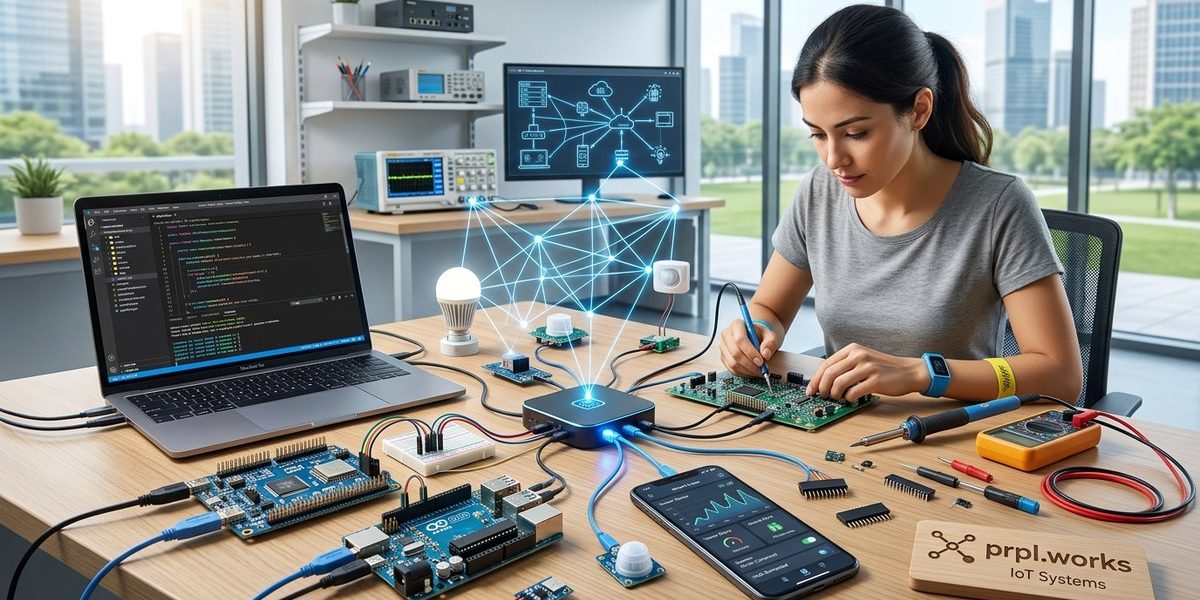

Building a next-generation smart ecosystem hinges on creating IoT devices that work together effortlessly. As the number of connected devices grows, so does the need for interoperability. When devices from different manufacturers communicate smoothly, it unlocks the full potential of smart environments. Whether you’re designing smart buildings, homes, or industrial setups, understanding how to build interoperable IoT systems is key to delivering scalable, secure, and user-friendly solutions.
Creating interoperable IoT devices involves following clear steps, adopting open standards, and prioritizing security. These practices enable seamless communication across diverse devices, fostering scalable and reliable smart ecosystems that enhance user experience and operational efficiency.
Understanding the Importance of Interoperability in IoT
Interoperability is the glue that holds smart ecosystems together. It allows devices from different brands, protocols, and platforms to communicate without barriers. Imagine a smart building where lighting, HVAC, security, and energy systems all work in harmony. If each device uses a different protocol or cannot share data effectively, the entire system becomes fragile and difficult to manage.
Developing interoperable IoT devices means designing with open standards in mind. It involves choosing common communication protocols, supporting multiple data formats, and ensuring devices can be integrated smoothly into larger systems. This approach reduces vendor lock-in, lowers costs, and accelerates innovation.
Practical Steps to Build Interoperable IoT Devices
Creating interoperable IoT devices involves a structured process. Here are the core steps:
1. Define Your Ecosystem and Use Cases
Begin by understanding the environment where your devices will operate. Ask questions like:
- What devices need to communicate?
- Which protocols are supported by existing infrastructure?
- What data is essential for device interoperability?
This clarity helps you choose compatible hardware and communication standards. For example, if your ecosystem relies heavily on Wi-Fi and Bluetooth, focus on supporting those protocols.
2. Adopt Open and Standardized Protocols
Use protocols designed for interoperability and security. Popular standards include:
- MQTT: Lightweight messaging protocol ideal for real-time data exchange.
- CoAP: Designed for constrained devices, supporting RESTful architecture.
- Zigbee and Z-Wave: Widely-used in smart home devices.
- Thread: IP-based protocol that simplifies device communication.
Supporting multiple protocols allows your devices to communicate across different platforms. For example, a smart thermostat can connect via Zigbee to a hub and via Wi-Fi to cloud services.
3. Implement Open-Source Frameworks and APIs
Open-source tools like Open Connectivity Foundation (OCF) and IoTivity provide building blocks for interoperability. They offer standardized APIs and middleware that simplify device integration.
- Use open-source SDKs to develop firmware that adheres to common standards.
- Ensure your device APIs are well-documented and support common data formats like JSON or CBOR.
4. Prioritize Security and Data Privacy
Interoperability should not come at the expense of security. Incorporate robust security measures:
- End-to-end encryption for data in transit.
- Secure boot and firmware signing.
- Regular security updates.
By doing so, your devices can seamlessly communicate while maintaining user trust and system integrity.
5. Test Across Diverse Devices and Networks
Before deployment, perform comprehensive testing:
- Verify compatibility with different protocols and devices.
- Assess performance in various network conditions.
- Identify and fix interoperability issues early.
Using emulators or testing labs can help simulate real-world environments.
Best Practices for Maintaining Interoperability
Building interoperable IoT devices is an ongoing effort. Here are some practices to keep your systems compatible and secure:
- Stay Updated on Standards: Keep abreast of evolving protocols like Matter, which aims to unify smart device communication.
- Support Multiple Protocols: Flexibility in supported protocols ensures future-proofing.
- Implement Firmware Over-the-Air Updates: Enable seamless updates to fix bugs and add support for new standards.
- Use Modular Design: Modular hardware and software make it easier to upgrade or replace components.
- Engage with Open-Source Communities: Collaborate and contribute to standards and open projects.
Common pitfalls to avoid:
| Technique | Mistake to Avoid |
|---|---|
| Relying on proprietary protocols | Limits device interoperability and vendor flexibility |
| Ignoring security during development | Risks data breaches and system compromise |
| Overlooking scalability | Small systems may work initially but falter as ecosystems grow |
| Skipping rigorous testing | Leads to unpredictable system failures and user frustration |
Expert Advice on Building Interoperable IoT Devices
“Designing for interoperability isn’t just about choosing the right protocols. It requires a mindset that values openness, security, and future growth. Embrace open standards early, and your ecosystem will be more adaptable, secure, and user-friendly.” — IoT security expert
Embracing Future-Proof Smart Ecosystems
Building interoperable IoT devices is fundamental to unlocking the full potential of smart environments. As new standards like Matter gain traction, devices will become even more seamless to integrate. The key lies in designing with openness, security, and scalability from the start.
By following a clear process—defining your ecosystem, adopting open standards, implementing robust security, and testing thoroughly—you can develop systems that communicate effortlessly. This foundation will allow your smart ecosystem to evolve naturally as technology advances.
Remember, creating a truly interoperable environment is an ongoing journey. Keep learning, stay updated on industry standards, and prioritize open collaboration. These steps will ensure your smart ecosystem remains resilient, flexible, and ready for the future.
Moving Forward with Interoperability in IoT
Developing interoperable IoT devices doesn’t have to be complicated. Focus on clarity in your goals, support open standards, and prioritize security. With these principles, you’ll craft systems that are reliable, scalable, and ready to meet the demands of next-generation smart ecosystems.
Take the time to plan, test, and iterate. The effort will pay off in devices that communicate smoothly, deliver better user experiences, and adapt easily to future innovations. Building interoperability today sets the stage for smarter, more connected worlds tomorrow.