
Trust is the currency of the Internet of Things. Without it, a smart home becomes a spy hub, a connected factory stops production, and a medical sensor erodes patient confidence. The path to reliable IoT is not paved with proprietary black boxes. It is built on transparency, community review, and shared standards. That is the promise of an open source IoT ecosystem. When you can see the code, audit the security, and adapt the system to your specific needs, trust is no longer a guess. It becomes a verifiable fact.
Open source is the only reliable foundation for a trusted IoT ecosystem. It provides transparency that proprietary solutions cannot match, allows independent security audits, and ensures devices can communicate across brands. By adopting open standards and contributing to community projects, developers and decision-makers can build IoT systems that users actually trust. The result is a more secure, interoperable, and future-proof connected world.
Why Trust Matters in the Internet of Things
The IoT market is exploding. By 2026, billions of devices are expected to be online. Each one collects data, makes decisions, or controls physical actions. A single vulnerable device can compromise an entire network. Trust is not a nice to have. It is a requirement.
Users trust that their smart lock will not open for intruders. They trust that their fitness tracker will not leak health data. They trust that their smart car will not be hijacked. These expectations are reasonable, but they are hard to meet when the software inside those devices is opaque. Open source changes that by making every line of code visible.
How Open Source Fuels a Trusted IoT Ecosystem
An open source IoT ecosystem is one where the core software components are publicly available, modifiable, and maintained by a community. This approach creates several concrete benefits:
- Transparency: Anyone can inspect the code for vulnerabilities or backdoors. Security researchers can find and report issues before they are exploited.
- Community auditing: More eyes make bugs shallow. Large open source projects benefit from continuous peer review.
- Interoperability: Open standards like Matter, MQTT, and Zephyr let devices from different manufacturers work together seamlessly.
- Flexibility: Teams can customize solutions without waiting for a vendor roadmap. They can patch critical bugs themselves.
- Longevity: Open source projects are not dependent on a single company. If one contributor vanishes, the community can continue development.
These characteristics directly address the trust concerns that plague closed IoT systems. When you build on open source, you are not taking a vendor’s word for security. You are verifying it yourself.
A Blockquote for Expert Perspective
“Open source is not just a license choice. It is a commitment to transparency and collaboration. In IoT, where devices often run for years without updates, that transparency is the only way to maintain trust over the long term.”
* prpl Foundation contributor
The Role of Open Source in IoT Security
Security is the biggest trust killer in IoT. Many devices ship with hardcoded passwords, unpatched vulnerabilities, or weak encryption. Proprietary firmware hides these flaws until they are discovered by attackers. Open source flips the script. When code is public, security flaws are found and fixed faster.
Take the Enhance IoT Security with Open-Source Embedded Frameworks approach. Frameworks like Zephyr, FreeRTOS, and OpenThread provide built-in secure boot, encrypted communication, and over the air update capabilities. They are battle tested by thousands of developers. Contrast that with a custom proprietary stack that only a handful of engineers have seen.
Of course, open source is not automatically secure. You still need to configure things correctly and keep dependencies up to date. But the starting point is far stronger because the community has already addressed common pitfalls.
Practical Steps to Build a Trusted IoT Ecosystem with Open Source
If you are an IoT developer or decision-maker looking to leverage open source for trust, follow this structured approach:
-
Audit your current stack. Identify which components are closed source and which are open. Prioritize moving security critical pieces like bootloader, networking stack, and cryptography to open alternatives.
-
Adopt open standards. Choose protocols that are well documented and widely supported. Standards like Matter for smart home, MQTT for messaging, and OpenThread for mesh networking ensure interoperability and reduce vendor lock in. For deeper guidance, see Building Interoperable Smart Devices Using Open-Source Technologies.
-
Contribute fixes and features back. This is not just altruism. When you contribute to open source projects, you influence their roadmap and ensure the software continues to meet your needs. It also builds your reputation and attracts talent.
-
Set up continuous security testing. Use public tools like the prpl security test suites or third party services to scan your open source dependencies for known vulnerabilities. Automate this in your CI pipeline.
-
Engage with the community. Join mailing lists, attend events, and report bugs. The more connected you are, the faster you will get help and the sooner you will hear about emerging threats.
Comparing Open Source and Proprietary Approaches
To make the decision easier, here is a side by side comparison of how open source and proprietary solutions handle key trust factors in an IoT ecosystem.
| Trust Factor | Open Source IoT Ecosystem | Proprietary Solution |
|---|---|---|
| Code transparency | Full source code available | Binary only, no inspection |
| Vulnerability response | Community fixes often within days | Depends on vendor patch cycles |
| Interoperability | Standards based, multi vendor | Vendor specific, integration headaches |
| Customization | Unlimited, any feature can be added | Limited to vendor roadmap |
| Long term support | Community maintained, forks possible | Ends if vendor discontinues product |
| Auditability | Independent audits by anyone | Only vendor audits (if any) |
| Cost | Free software, pay for support or hosting | Per device license fees |
The table makes it clear that open source wins on most trust related metrics. The only trade off is that your team needs some in house expertise to manage and customize the stack. But that expertise is an investment in your own autonomy.
Addressing Interoperability: The Open Source Advantage
A trusted IoT ecosystem cannot exist if devices refuse to talk to each other. Interoperability is the glue that holds the system together. Open source protocols and frameworks are designed with interoperability in mind. They are developed by working groups that include multiple manufacturers, so the final standard works for everyone.
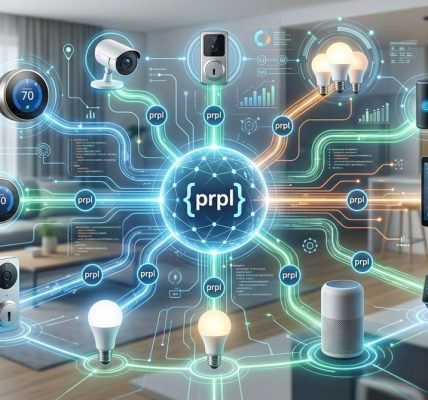
For example, the prpl Foundation focuses on building open source software for broadband devices. Its work on secure boot, device management, and application frameworks ensures that routers, gateways, and smart home hubs from different brands can operate with the same foundation. This reduces fragmentation and makes it easier for users to trust that their devices will work as expected.
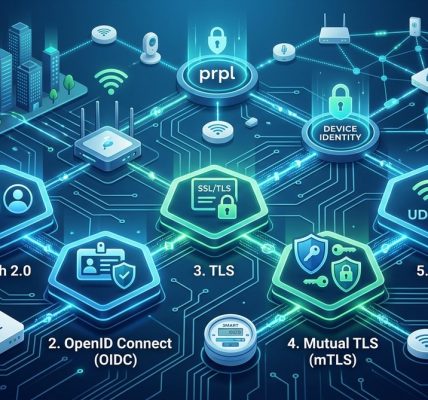
If you want to understand the specific mechanisms, the guide on How Open-Source Protocols Enhance Security and Interoperability in IoT Devices breaks down the technical details.
Building Your Own Open Source IoT Strategy
Trust is not a destination. It is a continuous process. By embracing an open source IoT ecosystem, you are not just choosing a technology stack. You are joining a global community that values transparency, security, and collaboration. Your users will benefit from more reliable devices. Your engineers will benefit from better tools and faster innovation. And your business will benefit from reduced risk and increased market agility.
Start small. Pick one project, one protocol, or one component that is currently proprietary and evaluate its open source alternative. Run it through your security tests. See how the community responds to your questions. Once you experience the difference, you will likely expand your open source footprint.
The foundation of trusted IoT is open source. Build on it.