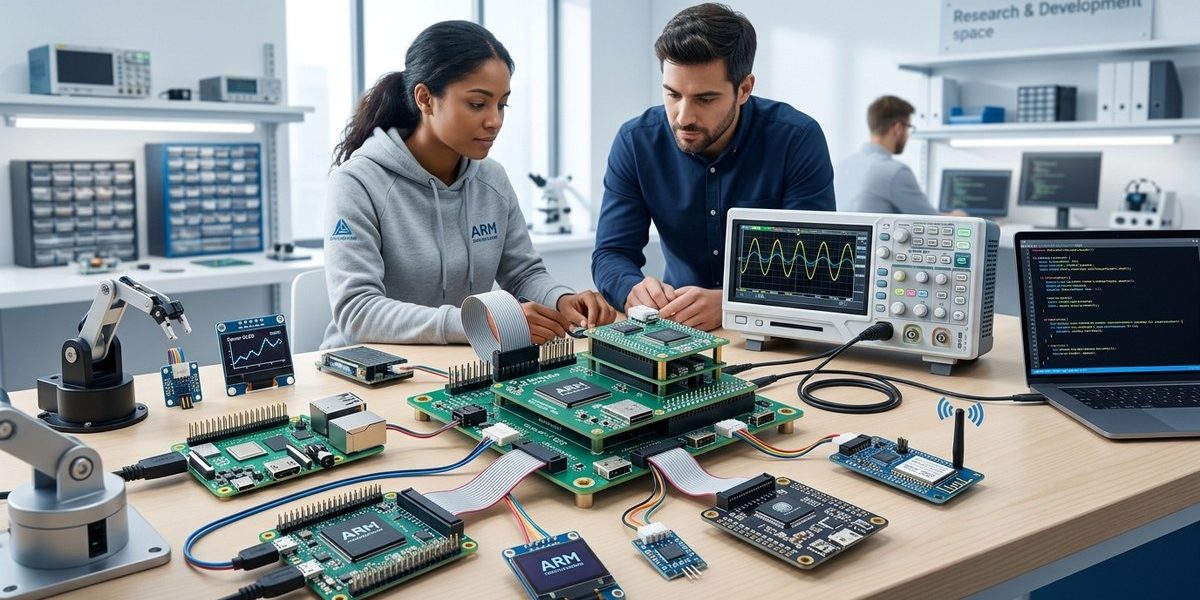

Building smart devices that work smoothly together is no small feat. As the Internet of Things continues to grow, creating embedded platforms that can communicate across different brands and standards becomes essential. This guide walks you through the core concepts, practical steps, and best practices for building interoperable embedded platforms tailored for next-generation smart devices. If you’re an IoT developer or engineer aiming for seamless device integration, this is your roadmap to success.
Creating interoperable embedded platforms for smart devices involves understanding standards, designing flexible hardware, and adopting open protocols. Following best practices ensures devices communicate reliably across different brands and ecosystems, paving the way for innovative, connected smart environments.
Understanding the Importance of Interoperability in Smart Devices
Interoperability is the backbone of a truly connected smart environment. Imagine a smart home where your lighting, thermostat, security cameras, and voice assistant all communicate seamlessly. Without interoperability, each device operates in isolation, limiting functionality and frustrating users.
Key reasons to prioritize building interoperable platforms include:
- Enhanced user experience: Devices work together effortlessly, reducing setup time and troubleshooting.
- Flexibility and scalability: You can add new devices or replace old ones without rewiring or complicated configurations.
- Future-proofing: Standards evolve, and interoperable platforms adapt more easily to new protocols and technologies.
- Security improvements: Unified security protocols across devices reduce vulnerabilities.
Core Standards and Protocols for Device Interoperability
Choosing the right standards is fundamental. Several open protocols and frameworks enable devices to communicate effectively.
Popular standards include:
- Matter: Developed by the Connectivity Standards Alliance, Matter aims to unify smart device communication. It provides a common language, ensuring devices from different manufacturers work together reliably.
- Zigbee and Z-Wave: Wireless protocols often used in smart home devices. They are mature but can sometimes face compatibility issues.
- Thread: An IP-based wireless protocol optimized for low-power devices, enabling mesh networking.
- Bluetooth LE: Widely used for short-range communication, especially in wearables and sensors.
Comparing techniques and common mistakes
| Technique | Advantage | Common Mistake |
|---|---|---|
| Using open standards like Matter | Ensures broad compatibility | Relying on proprietary protocols that lock in users |
| Implementing mesh networking | Improves range and reliability | Overcomplicating with unnecessary network layers |
| Prioritizing security protocols | Protects user data | Neglecting encryption during device onboarding |
| Rigid hardware designs | Simplifies manufacturing | Sacrificing flexibility for compatibility |
Expert advice from IoT architect Lisa Chen reminds us: “Design your platform with standards at its core. Flexibility and openness prevent obsolescence and foster innovation.”
Designing Hardware for Interoperability
Hardware design plays a pivotal role. Devices must be adaptable and compliant with chosen protocols.
Practical steps to follow:
- Select modular components: Use microcontrollers and communication modules that support multiple protocols.
- Prioritize firmware flexibility: Enable over-the-air updates to incorporate new standards or security patches.
- Ensure power and connectivity flexibility: Design for both wired and wireless options, accommodating different environments.
- Incorporate security features: Hardware-based encryption modules and secure boot processes safeguard device integrity.
Common pitfalls to avoid:
- Overloading devices with unnecessary components that increase cost and complexity.
- Neglecting to test hardware compatibility across different protocols.
- Ignoring power constraints, leading to unreliable device performance.
Building the Software Stack for Seamless Communication
Software is the glue that binds hardware and protocols. A well-architected software stack ensures smooth interoperability.
Practical process:
- Implement protocol abstraction layers: Use middleware that supports multiple protocols like Matter, Zigbee, or Thread.
- Adopt open-source IoT frameworks: Leverage tools like Zephyr or OpenThread that facilitate protocol management.
- Standardize APIs: Create consistent interfaces for device functions, making integration straightforward.
- Focus on security: Encrypt data in transit and at rest, and authenticate devices during onboarding.
Techniques versus mistakes
| Technique | Benefit | Mistake to Avoid |
|---|---|---|
| Using protocol abstraction layers | Simplifies supporting multiple protocols | Hardcoding protocol-specific code, limiting flexibility |
| Leveraging open-source frameworks | Accelerates development | Relying solely on proprietary SDKs that hinder interoperability |
| Regular firmware updates | Keeps devices compatible and secure | Failing to maintain and update software over time |
Practical Process for Building Interoperable Platforms
To create a robust embedded platform, follow these steps:
- Define your target ecosystem: Identify the protocols and standards your devices will support, prioritizing open standards like Matter.
- Design flexible hardware architecture: Use modules that can handle multiple communication methods.
- Develop protocol-agnostic firmware: Use middleware to abstract protocol differences.
- Test across diverse devices: Ensure your platform supports various brands, protocols, and network conditions.
- Implement rigorous security measures: Secure onboarding, data encryption, and firmware updates.
- Maintain and update consistently: Keep up with evolving standards and security threats.
Practical Tips for Successful Interoperability
- Stay current with standards: Follow updates from groups like the Connectivity Standards Alliance.
- Prioritize open-source tools: They foster community support and accelerate troubleshooting.
- Engage in cross-device testing: Use real-world scenarios to identify compatibility issues early.
- Document protocols and interfaces clearly: Facilitate integration by partners and future upgrades.
- Plan for scalability: Design systems that can grow with new device types and protocols.
Building a Future-Ready Embedded Platform
As smart environments become more complex, the need for interoperability intensifies. Embracing open standards, designing flexible hardware, and developing protocol-agnostic software position your platform to adapt easily. Such platforms not only improve user satisfaction but also open doors to new innovations like AI integration and advanced automation.
Final thoughts
Creating interconnected smart devices starts with a clear understanding of standards and a strategic approach to hardware and software design. By focusing on openness, security, and flexibility, you set the stage for devices that truly work together. Your efforts today will shape the seamless, intelligent environments of tomorrow.
A practical way to start building your interoperable platform
Begin by selecting a core protocol like Matter. Design hardware with modular communication components, and develop firmware that abstracts protocol layers. Test with various devices and continuously update your system. With deliberate planning and a focus on standards, you can craft a platform that supports the next wave of smart device innovations.
Happy building, and may your smart devices connect effortlessly for years to come.