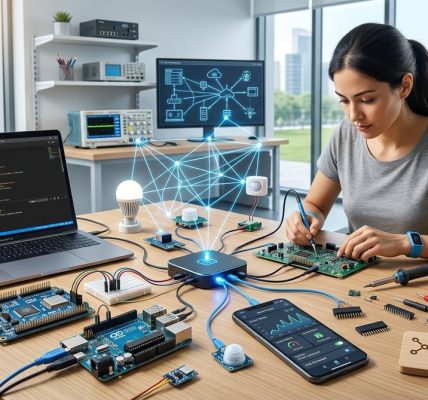

Seamless communication among diverse IoT devices is no longer a luxury but a necessity. As the number of connected devices grows exponentially, so does the complexity of integrating them into cohesive systems. Open-source solutions are transforming the landscape, offering flexible, cost-effective ways to overcome interoperability challenges. Whether you’re a developer, engineer, or decision-maker, understanding and implementing these frameworks unlocks the true potential of your IoT deployments.
Open-source IoT interoperability solutions provide flexible, scalable, and cost-effective means to connect diverse devices. Implementing these frameworks enhances system cohesion, security, and future growth, empowering innovation across industries.
Understanding the Need for Open-Source IoT Interoperability Solutions
The IoT ecosystem is a sprawling network of sensors, actuators, gateways, and cloud platforms. Each device often comes with its own protocols, standards, and communication methods. This diversity creates hurdles when trying to build integrated systems that work smoothly.
For instance, a smart factory might include sensors from multiple vendors, each using different messaging protocols like MQTT, CoAP, or HTTP. Without a common interoperability framework, these devices may struggle to share data effectively, leading to gaps, delays, or security risks.
Open-source solutions step into this gap by offering adaptable tools and frameworks that can be tailored to specific needs. They foster collaboration, reduce costs, and accelerate deployment. This approach aligns well with modern IoT demands for agility, security, and scalability.
Key Benefits of Open-Source IoT Interoperability Frameworks
- Flexibility and Customization: Open-source frameworks allow you to modify and extend capabilities to match your unique requirements.
- Cost Savings: No licensing fees mean lower upfront investments, making them accessible for startups and large enterprises alike.
- Community Support: Active communities contribute to continuous improvement, security patches, and shared best practices.
- Faster Innovation: Open frameworks enable rapid integration of new devices, protocols, and features.
- Enhanced Security: Transparent codebases facilitate thorough security audits, reducing vulnerabilities.
Popular Open-Source Frameworks and Protocols for IoT Interoperability
Here are some of the most influential open-source solutions shaping IoT interoperability today:
1. Eclipse IoT
The Eclipse Foundation hosts numerous projects aimed at establishing open standards and frameworks for IoT. Notable projects include Eclipse Mosquitto, an MQTT broker, and Eclipse Leshan, a Lightweight M2M server. These tools enable devices from different vendors to communicate seamlessly.
2. Node-RED
Developed by IBM, Node-RED is a visual programming tool that simplifies wiring together IoT devices, APIs, and online services. Its extensive library of nodes supports a variety of protocols, making cross-device communication straightforward.
3. Zigbee2MQTT
This open-source project bridges Zigbee devices with MQTT brokers, allowing devices from different Zigbee vendors to work with other systems. It exemplifies how open standards promote interoperability without vendor lock-in.
4. Open Connectivity Foundation (OCF)
While OCF offers specifications rather than a single framework, its open-source implementations promote interoperability among smart devices. OCF’s specifications ensure devices can discover, connect, and communicate regardless of manufacturer.
5. Z-Mesh
Z-Mesh is a lightweight, open-source mesh protocol designed for IoT devices prioritizing data-centric communication over connection-oriented methods. It offers robust, scalable networking, making device interoperability more reliable.
Practical Steps to Implement Open-Source IoT Interoperability Solutions
Implementing open-source frameworks effectively requires a structured approach:
1. Identify Your Device Ecosystem and Protocols
Understand the protocols your devices use. Are they MQTT, CoAP, Zigbee, Bluetooth, or others? Documenting this helps in choosing compatible frameworks.
2. Choose Appropriate Open-Source Tools
Select frameworks that support your devices and protocols. For example, if you’re working with Zigbee devices, integrating Zigbee2MQTT can be a good start.
3. Develop a Centralized Data Hub
Set up an MQTT broker or other message broker supporting your devices. This acts as the backbone for data exchange, enabling interoperability across different protocols.
4. Standardize Data Formats and APIs
Use open standards like JSON or CBOR for data payloads. Define APIs that allow disparate systems to communicate without ambiguity.
5. Test for Compatibility and Security
Conduct rigorous testing to verify devices work together as expected. Incorporate security best practices, such as encrypted communication and authentication mechanisms.
6. Document and Share Your Framework
Create detailed documentation and consider sharing your solutions with the community. This accelerates adoption and invites feedback for improvement.
Common Challenges and How to Avoid Them
| Techniques | Mistakes to Avoid |
|---|---|
| Using proprietary protocols without open gateways | Relying solely on vendor-specific solutions that hinder scalability |
| Ignoring security in open frameworks | Overlooking encryption or authentication can expose vulnerabilities |
| Overcomplicating architecture | Adding unnecessary layers can introduce latency and faults |
| Not validating device compatibility | Failing to test diverse devices may cause integration issues |
“Adopting open-source frameworks requires careful planning. Focus on scalability, security, and community support to build resilient IoT systems.” — Industry expert
Final Tips for Embracing IoT Interoperability
- Start small with pilot projects to test open-source frameworks.
- Engage with active communities for support and updates.
- Keep an eye on emerging standards and protocols.
- Prioritize security at every step to protect your data and devices.
- Document your integration process to facilitate future upgrades.
Building a Future-Ready IoT Ecosystem
Implementing open-source solutions for IoT interoperability can transform disconnected devices into intelligent, cohesive systems. Whether you’re connecting sensors across a factory floor or managing smart building networks, these frameworks offer flexibility and control. By adopting and customizing open standards, you foster innovation and create scalable architectures that grow with your needs.
Remember, the key lies in understanding your device landscape, selecting the right tools, and maintaining a focus on security and community support. With a strategic approach, open-source IoT interoperability solutions become powerful enablers of smarter, more connected environments.
Happy building your interoperable IoT ecosystem!