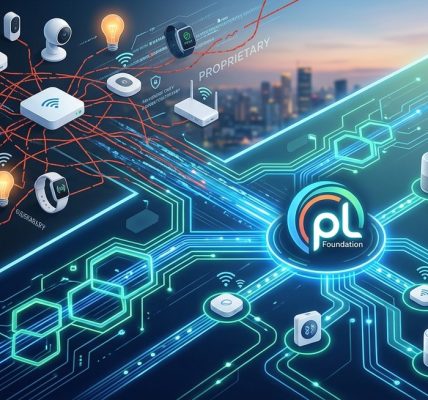

Open source helps you meet 2026 IoT security regulations by providing auditable code, SBOM generation, automatic patch management, and proven cryptographic libraries. When you build on open source, you get transparency that regulators love and a community that finds vulnerabilities before they become breaches. The result is faster compliance, lower cost, and stronger trust.
Why 2026 is the year IoT security regulations become real
A lot of people in the industry have been watching the EU Cyber Resilience Act (CRA) for years. In 2026, the grace periods are ending. By August, most connected products sold in Europe must meet strict security requirements. Meanwhile, in the United States, the Cyber Trust Mark program is gaining traction, and the FDA is tightening rules for medical IoT. Compliance is no longer optional. It is a matter of market access.
The challenge for your team is not just understanding the rules. It is implementing them across a complex supply chain. You need secure development practices, vulnerability reporting, software bills of materials (SBOMs), and the ability to push updates reliably. Proprietary solutions can do these things, but they often come with vendor lock-in and hidden costs. Open source offers a different path.
The open source advantage for compliance in 2026
Open source is not a silver bullet, but it aligns beautifully with the goals of modern IoT regulations. Here is why.
Transparency is baked in. Regulators want to see exactly what code runs on your devices. With open source components, you can point to the source repository, the commit history, and the security audit results. No black boxes. No NDAs slowing down due diligence.
Community vigilance. When a vulnerability surfaces in an open source library, the response is often faster than in proprietary software. Projects like OpenSSL, Mbed TLS, and Zephyr have dedicated security teams and bug bounty programs. That speed matters for meeting the CRA’s requirement to patch security issues within a specified timeframe.
SBOMs are natural. The Linux Foundation’s SPDX standard is widely adopted. Open source build tools can generate SBOMs automatically. You can produce a machine-readable list of all components, their versions, and their licenses with a single command. Regulators love that.
Long-term maintainability. The CRA requires support for at least five years after a product ships. Open source projects with strong foundations (like the prpl Foundation) have governance models that guarantee long-term maintenance. You are not dependent on a single vendor that might go out of business.
A look at the major regulations affecting IoT in 2026
Before we get into the how, let us outline what you are up against. The table below compares the most important rules for IoT manufacturers.
| Regulation | Region | Key Requirements | Open Source Relevance |
|---|---|---|---|
| EU Cyber Resilience Act | Europe | Secure defaults, vulnerability reporting, 5-year support, SBOM | Open source code is auditable; community patches speed up reporting |
| U.S. Cyber Trust Mark | United States | Labeling, self-attestation, transparent security claims | Open source documentation can support labeling claims |
| FDA 524B (medical) | United States | Pre-market security review, SBOM, vulnerability management | Open source cryptographic and protocol libraries help meet standards |
| Executive Order 14028 (supply chain) | United States | Software supply chain integrity, attestation | SBOM generation tools like syft are open source and free |
Each of these regulations shares a common thread: they demand visibility into your software stack. Open source gives you that visibility from day one.
How open source tools map to each compliance requirement
Let us break this down further. Here are the specific areas where open source solutions shine.
Secure development and cryptography
You need to use strong encryption, authenticating firmware updates, and secure boot. Open source libraries like Mbed TLS, wolfSSL, and OpenSSL are battle tested. They are maintained by foundations that follow responsible disclosure practices. Many of them are already certified for FIPS 140-3, which overlaps with medical and government requirements.
Vulnerability management
The CRA says you must have a process to report and fix vulnerabilities. Open source tools like the OpenSSF Scorecard, OWASP Dependency Check, and Grype can scan your codebase continuously. You can integrate them into your CI/CD pipeline. When a new CVE is published, your system flags it immediately. No waiting for a vendor update.
SBOM generation
Syft and SPDX tools can produce SBOMs in minutes. You can output in SPDX, CycloneDX, or JSON. These SBOMs become the foundation of your compliance documentation. They also help your customers meet their own supply chain obligations.
Secure firmware updates
Regulators expect that you can push security patches quickly. Open source frameworks like the prplMesh and the RAUC update system make Over-The-Air (OTA) updates reliable and secure. They use signed payloads and rollback mechanisms to prevent bricked devices.
A step by step process to use open source for IoT compliance in 2026
Here is a practical sequence that any IoT engineering team can follow. Think of it as your compliance playbook.
-
Map your software inventory. Use syft or OWASP Dependency Check to generate a complete SBOM of your current firmware. Include every open source library, even the ones you pulled in years ago. This is your baseline.
-
Audit for known vulnerabilities. Feed your SBOM into a vulnerability scanner like Grype or Snyk (their CLI is open source). Fix any critical and high-severity issues. Update libraries to patched versions.
-
Establish a secure development pipeline. Set up a CI pipeline that runs static analysis (e.g., with Clang Static Analyzer) and dependency scanning on every commit. Use OpenSSF Scorecard to measure your project’s security posture.
-
Implement signed firmware updates. Choose an open source update framework like RAUC or SWUpdate. Configure it with a hardware root of trust using open source cryptographic libraries. Sign every release with a private key stored in a secure element.
-
Create a vulnerability disclosure process. Set up a security.md file in your repository. Use an open source tool like PrivateBin to receive reports. Publish advisories in a standard format like CSAF. The CRA requires a single point of contact for security researchers.
-
Prepare compliance documentation. Gather your SBOMs, vulnerability scan reports, and attestation statements. Use open source templates from OWASP or the Linux Foundation to write your security guide. Keep them in a public repository for transparency.
Common mistakes when adopting open source for compliance
Even experienced teams trip up. Watch out for these pitfalls.
- Using outdated versions of open source libraries because “it works fine.” Regulators will check your SBOM against the latest CVEs. Old code is a liability.
- Not tracking the provenance of each component. A library from an unknown developer on GitHub may not have the same trust as one from a foundation.
- Ignoring license obligations. Some open source licenses (like GPL) require you to distribute source code. Failure to comply can create legal risk on top of security risk.
- Assuming open source is automatically secure. It is not. You still need to configure it properly and keep it updated.
“Open source gives you the raw material, but you still have to build the house to code. In 2026, compliance is not about checking a box. It is about building a repeatable process. The teams that win are the ones that treat open source as a strategic asset, not just a free download.”
— Sarah Kim, IoT security architect and open source contributor
Open source communities that can help you stay ahead
You do not have to do this alone. Several communities actively support IoT security compliance.
- The prpl Foundation focuses on open source firmware and interoperability for broadband devices. Their projects, like prplMesh, include security features that map to CRA requirements.
- OpenSSF (Open Source Security Foundation) provides tools, best practices, and training for securing the open source supply chain. Their “Scorecard” and “Sigstore” projects are directly useful for attestation.
- Zephyr Project is a real-time operating system for IoT. It has built-in security subsystems, a dedicated security team, and SBOM support. Many medical device companies are starting to adopt it.
- mbed TLS is the go to library for embedded TLS and cryptography. The project maintains clear versioning and security advisories.
You can learn more about building on these foundations by exploring how to enhance IoT security with open-source embedded frameworks.
Building a compliance culture with open source
Compliance is not a one time audit. It is a continuous practice. The regulations in 2026 demand that you monitor your devices in the field, respond to new vulnerabilities, and keep records for years. Open source can help you build that culture.
Start with small wins. Generate your first SBOM. Set up a nightly vulnerability scan. Then expand to include firmware update automation and vulnerability disclosure. Each step reduces your risk and moves you closer to full compliance.
The beauty of open source is that you are never starting from zero. Millions of developers have already solved problems like secure boot, certificate management, and update signatures. Stand on their shoulders. Your deadline is coming, but the tools are ready.
Your next move for IoT security in 2026
Gather your firmware engineers and your compliance officer. Do a quick inventory of every open source component in your current product. Run a scanner. Write down the gaps. Then pick one of the steps above and start this week.
The 2026 regulations are not going to soften. They are designed to protect consumers and raise the bar for everyone. Open source gives you a transparent, community-vetted way to meet that bar without building everything from scratch. Use it wisely, and you will sleep better knowing your devices are both compliant and secure.
Ready for a deeper look? Check out how open-source firmware standards end IoT fragmentation and why open source is the backbone of secure, interoperable IoT. The path to compliance starts with code you can trust.