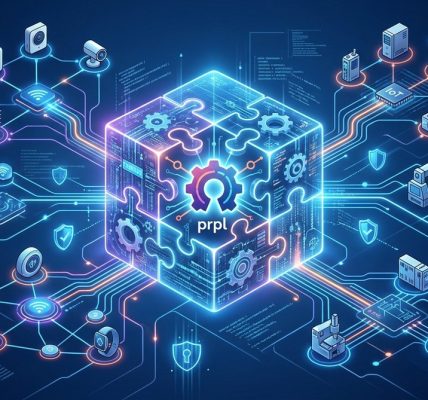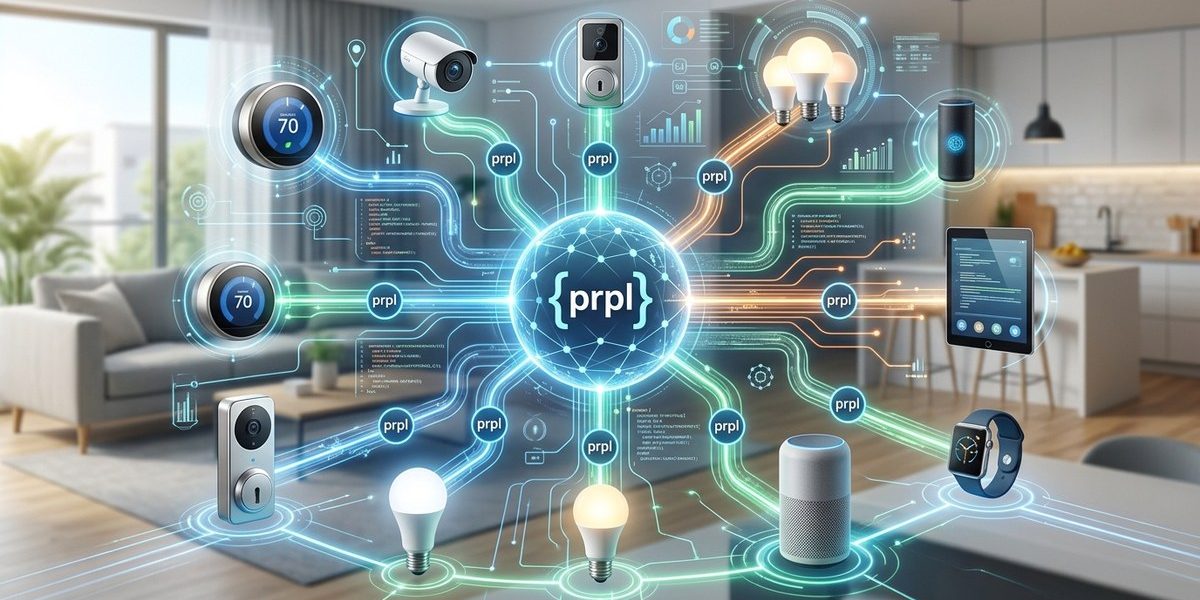

Imagine your smart home as a single, coordinated team. The thermostat talks to the lights, the door lock works with the alarm, and your voice assistant understands every gadget in the house. That vision has been a dream for years. Proprietary ecosystems kept devices locked in separate silos. You had to pick a lane and stick with it, hoping your next purchase would play nice. But the tide has turned. Open source is now the driving force behind real, practical interoperability for smart devices. It is not just a buzzword; it is reshaping how we build and connect IoT hardware across the United States and beyond.
Open source software and protocols like Matter, OCF, and Zephyr are making it possible for devices from different brands to work together without custom hubs or cloud dependencies. Developers and homeowners benefit from shared code, transparent security audits, and community driven improvements. The path to a truly unified smart home starts with open source foundations.
Why Proprietary Walls Are Crumbling
For years, companies built smart devices with closed APIs and custom protocols. That approach guaranteed lock in. If you bought a Hub A, you could only pair certified accessories. The result? Frustration, expensive upgrades, and wasted hardware. In 2026, the market has matured. Consumers demand choice. They want a smart lock from one brand, a sensor from another, and a hub that ties it all together without extra steps. Open source delivers that flexibility.
Open source projects allow developers to inspect, modify, and share code. When a protocol is open, multiple manufacturers can implement it consistently. The same code runs on a $10 microcontroller and a $200 smart speaker. That consistency eliminates the guesswork. It also reduces the cost of entry for smaller hardware makers, which means more innovation and lower prices for everyone.
The Pillars of Open Source Interoperability
Three key open source initiatives are leading the charge for smart device interoperability today.
Matter: The Industry Standard
Matter, backed by the Connectivity Standards Alliance (CSA), is the most visible example. It defines a application layer protocol that works over Wi Fi, Thread, and Ethernet. Any device that passes Matter certification can talk to any Matter controller, regardless of brand. The protocol is open source, with the SDK hosted on GitHub. This openness lets developers contribute bug fixes, add features, and audit security code.
Matter solves the messy integration puzzle. Instead of writing separate drivers for Alexa, Google Home, and HomeKit, you write one Matter stack. The result is seamless interoperability out of the box. By 2026, Matter has matured to cover lights, locks, thermostats, shades, sensors, and even major appliances.
Open Connectivity Foundation (OCF)
OCF provides a different approach. It defines a full stack architecture for IoT devices, including data models, discovery, and security. OCF specifications are open, and the reference implementation is Apache licensed. OCF is popular in industrial and commercial settings where robustness and scalability matter. It also offers a bridge to Matter, allowing legacy devices to participate in modern ecosystems.
Zephyr and Embedded Open Source
Hardware needs a foundation too. Zephyr, an open source real time operating system (RTOS), supports a wide range of microcontrollers. Many Matter and OCF implementations run on Zephyr. By using open source RTOS, hardware makers avoid vendor lock in at the silicon level. They can reuse code across product lines and tap into a large community of contributors.
How to Achieve Interoperability with Open Source: A Practical Process
If you are a developer building a new smart device, here is a step by step workflow based on current best practices.
- Choose an open source protocol stack. Start with Matter for consumer devices or OCF for industrial use. Both have mature SDKs and active communities.
- Set up a development environment using open source tools. Use Zephyr or FreeRTOS for the embedded side. Use the Matter SDK from the CSA GitHub repo as your baseline.
- Implement the mandatory core features first. For Matter, that includes device discovery, commissioning, and basic control. Test with a reference controller app such as the Matter test harness.
- Run interoperability tests with devices from different vendors. Use a certification test bed if available. The CSA provides open test scripts.
- Address security early. Open source lets you audit the cryptographic libraries. Follow the latest guidance from the prpl foundation for secure boot and firmware updates.
- Contribute your fixes back upstream. When you find a bug or add a feature, submit a pull request. This strengthens the ecosystem for everyone.
Common Pitfalls and How to Avoid Them
Even with open source, some mistakes can derail interoperability. The table below outlines three frequent errors and their fixes.
| Mistake | Why It Happens | How to Avoid |
|---|---|---|
| Custom extensions to the protocol | Developers add proprietary features that break standard compliance. | Stick to the certified profiles. If you need unique functionality, use a separate private subnet. |
| Ignoring security updates | Open source code evolves fast; outdated libraries leave devices vulnerable. | Set up automated CI that checks for vulnerabilities. Subscribe to security mailing lists for Matter and Zephyr. |
| Skipping end to end testing | A device passes unit tests but fails with real hubs. | Use a physical test rack with three different controllers (e.g., Apple HomePod, Google Nest Hub, Samsung SmartThings). |
Expert Advice: Think Beyond the Protocol
“Open source protocols give you a head start, but true interoperability requires a mindset shift. You have to design your device with the user’s whole home in mind, not just your product’s feature list. Contribute to the community, test with real hardware, and remember that security is a shared responsibility.”
Dr. Elena Vasquez, IoT Architect and Open Source Advocate
The Security Bonus of Open Source
One of the biggest fears with smart devices is hackers taking control. Proprietary systems often hide vulnerabilities behind closed doors. Open source turns that around. Anyone can audit the code. When a flaw is found, a fix can come within days instead of months. This transparency is a huge advantage for open source smart device interoperability.
For example, the Matter stack includes encryption at every layer. The key exchange protocol is publicly reviewed. By using open source, you benefit from the scrutiny of thousands of engineers worldwide. You also can customize security based on your threat model. Check out our guide on building interoperable smart devices using open source technologies for deeper security practices.
What Interoperability Looks Like in a Real Home
Picture a home in Austin, Texas, in 2026. The door lock is from a small startup using Matter over Thread. The thermostat is a major brand running the same protocol. The motion sensor is a $15 device from an overseas vendor, also Matter certified. All three join the same network without any pairing issues. The homeowner uses an app on their phone that controls everything. They can set a “Leave Home” scene that locks the door, sets the thermostat to eco mode, and turns off lights. No hub, no cloud dependency, no compatibility warnings.
That is the power of open source interoperability. It shifts the burden from the consumer to the standard. The standard is maintained by a community, not a single company. That means it evolves to meet new needs without breaking existing devices.
The Role of the prpl Foundation
The prpl foundation has been instrumental in promoting open source for embedded devices. Our work on secure boot, trusted execution environments, and interoperability frameworks gives developers a solid foundation. If you are building a smart device, you can leverage our open source tools to reduce time to market while ensuring security. Read about maximizing security and compatibility in IoT devices with open source solutions to see how we help.
Looking Forward: What Comes Next
Interoperability is not a one time achievement. New device types, such as robot vacuums, air purifiers, and EV chargers, are joining the smart home. Open source standards will need to expand to cover them. The community is already working on Matter extensions for energy management and video cameras. By staying open, these extensions can be tested and adopted quickly.
Developers should also watch for advances in open source AI running locally on smart devices. Edge AI can make decisions without sending data to the cloud, preserving privacy. Open source frameworks like TensorFlow Lite Micro and Apache TVM are making this possible. Combined with Matter, they create a powerful, private, and interoperable home.
Building Interoperable Devices Today
The tools are ready. The protocols are mature. The community is active. Whether you are a developer starting a new product or a homeowner planning your next upgrade, open source is the path forward. It saves you time, money, and frustration. It gives you control over your data and your devices.
Start by choosing an open source stack that matches your use case. Join the Matter or OCF developer mailing lists. Test with real hardware from different vendors. Contribute your findings back. As more devices adopt open standards, the entire IoT ecosystem becomes stronger and more user friendly. The dream of a fully integrated smart home is no longer a dream. It is a project anyone can build with open source.
For more practical guidance, see our article on unlock the power of open source for secure and interoperable IoT devices and our overview of how open source protocols enhance security and interoperability in IoT devices. Together, we can build a connected home that actually works.