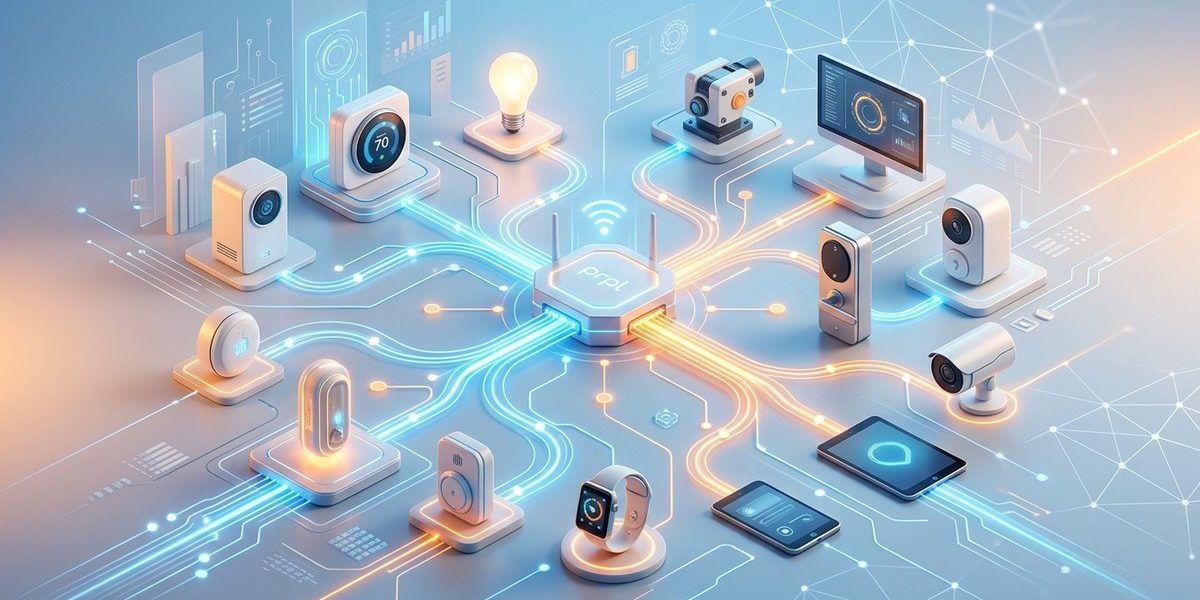

Connecting a variety of IoT devices into a cohesive ecosystem can feel like solving a complex puzzle. Each device might use different protocols, communication standards, or data formats. Without proper interoperability, devices can’t communicate effectively, leading to frustration, reduced efficiency, and security risks. Improving IoT device interoperability is essential for creating smart environments that are reliable, scalable, and easy to manage. Let’s explore how you can bridge the gaps and foster seamless device interaction.
Achieving IoT device interoperability involves understanding protocols, standardizing data exchange, and implementing open frameworks. Practical steps include assessing device compatibility, adopting universal standards, and utilizing middleware solutions to connect diverse systems. This approach simplifies management, enhances security, and unlocks the full potential of IoT ecosystems for smarter, more reliable environments.
Understanding the significance of IoT device interoperability
IoT device interoperability is the backbone of effective smart environments. It allows devices from different manufacturers and platforms to work together smoothly. Without it, ecosystems become fragmented, limiting functionality and scalability. When devices communicate seamlessly, users experience better automation, improved data insights, and more robust security. Interoperability reduces vendor lock-in and future-proofs investments by enabling easy integration of new devices or technologies.
In practical terms, interoperability means that a smart thermostat can communicate with a security camera, a lighting system, and a voice assistant regardless of their brands or protocols. This fluid interaction creates a cohesive user experience and simplifies system management. As IoT deployments grow larger and more complex, ensuring interoperability becomes even more critical.
The building blocks of seamless device communication
Achieving interoperability starts with understanding the key components that enable communication between devices:
- Protocols: Standards like MQTT, CoAP, Zigbee, Z-Wave, and LoRaWAN define how devices communicate over networks. Using common protocols or bridging different ones is essential.
- Data formats: Standardized data schemas such as JSON, XML, or CBOR facilitate consistent data exchange.
- Middleware: Software layers that connect devices using different protocols or formats, translating and routing data as needed.
- Open frameworks: Platforms and APIs that support device integration without vendor lock-in, encouraging openness and flexibility.
By mastering these elements, IoT professionals can lay the foundation for a truly interoperable system.
Practical steps to enhance IoT device interoperability
Improving device compatibility and communication involves a series of concrete actions. Here’s a step-by-step guide to get started:
1. Assess existing device capabilities and limitations
Begin by cataloging all devices within your ecosystem. Identify their protocols, data formats, and compatibility constraints. This helps determine integration challenges and opportunities.
2. Adopt common standards and open protocols
Where possible, choose devices and systems that support widely accepted standards like MQTT or REST APIs. This reduces the need for complex translation layers.
3. Implement middleware or gateway solutions
Use middleware platforms or gateways that can translate protocols and data formats. These act as bridges, enabling devices with different standards to communicate effectively.
4. Use open-source tools and frameworks
Open-source projects like Eclipse IoT or ThingsBoard provide flexible, community-driven solutions for device management and data integration. They promote interoperability and reduce vendor dependency.
5. Regularly test and validate device interactions
Consistency is key. Conduct interoperability tests regularly to identify issues early. Use simulation environments or real-world testing to ensure devices work together as intended.
6. Keep security at the forefront
Interoperability should not come at the expense of security. Implement secure communication protocols, authentication, and encryption to protect data and devices.
7. Document and standardize your processes
Maintain clear documentation of your integration methods, protocols used, and configuration settings. Standardization simplifies future expansion and troubleshooting.
Common pitfalls and how to avoid them
| Technique | Mistake | How to avoid it |
|---|---|---|
| Using proprietary protocols | Creates vendor lock-in and limits interoperability | Favor open standards and universal protocols |
| Ignoring data formats | Leads to data mismatch and miscommunication | Standardize on common data schemas like JSON |
| Skipping testing | Causes unforeseen communication failures | Implement comprehensive testing routines |
| Overlooking security | Risks data breaches and device compromise | Incorporate security best practices at every step |
| Relying on single vendor solutions | Limits flexibility and scalability | Build a multi-vendor, open ecosystem |
“Interoperability is not just a technical challenge; it’s a strategic enabler for scalable and resilient IoT systems. Embracing open standards and modular architectures paves the way for future growth.” — Industry expert
Open-source tools and frameworks for better integration
Open-source solutions have accelerated the adoption of interoperable IoT systems. Projects like Eclipse IoT provide a suite of tools for device management, communication, and data processing. These frameworks support multiple protocols, simplify device onboarding, and foster a community-driven approach to innovation.
For example, using Eclipse Mosquitto as an MQTT broker enables devices to publish and subscribe to data streams effortlessly. Similarly, ThingsBoard offers a flexible platform for managing devices, visualizing data, and automating responses. Leveraging these tools minimizes development effort, reduces costs, and enhances compatibility.
Building a future-proof IoT ecosystem
Creating an IoT environment that can adapt to evolving technologies requires strategic planning. Focus on adopting open standards, modular architectures, and scalable solutions. Regularly update firmware, protocols, and security measures. Invest in training and documentation to keep your team aligned.
Collaboration across vendors and open communities accelerates innovation and ensures compatibility. By prioritizing interoperability from the start, you lay the groundwork for systems that are easier to expand, maintain, and secure.
Final thoughts on harmonizing your IoT devices
Achieving seamless IoT device interoperability is a continuous journey. It demands understanding technical standards, adopting open protocols, and embracing flexible middleware solutions. Regular testing and security practices safeguard your ecosystem as it grows.
Remember, the goal is to create a cohesive environment where devices communicate effortlessly, data flows smoothly, and automation becomes more reliable. With practical steps and open-source tools, you can build IoT systems that are not only functional today but adaptable tomorrow.
Bringing your IoT ecosystem together with smart interoperability
A well-connected IoT environment unlocks endless possibilities for automation, insights, and efficiency. Start by assessing your current setup, adopt open standards, and leverage community-supported frameworks. Keep security front and center, and document every step. Over time, these efforts will produce a resilient, scalable, and easy-to-manage system that evolves with your needs. Embrace interoperability as a core principle and watch your IoT ecosystem thrive.
