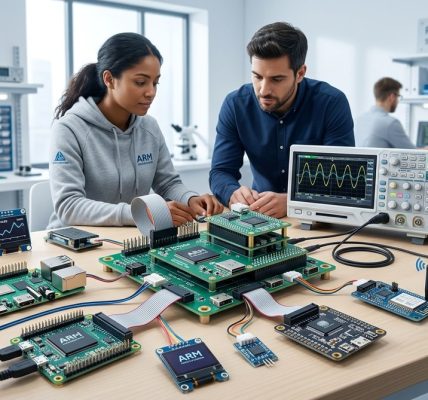

Unlocking the potential of the Internet of Things hinges on choosing the right tools. Open-source embedded frameworks have become the backbone of modern IoT development. They provide a flexible, cost-effective way for engineers and developers to build, deploy, and scale innovative IoT solutions. With an ever-growing ecosystem of open-source options, understanding their benefits and how to leverage them can significantly speed up your project timelines and improve security. Let’s explore how these frameworks are transforming IoT development and how you can harness their power.
Open-source embedded frameworks for IoT streamline development, reduce costs, and boost security. They foster innovation by offering flexible, community-driven solutions that adapt to evolving tech needs.
Why open-source frameworks matter for IoT
Open-source embedded frameworks serve as the foundation for many IoT devices and systems. They enable rapid development by providing pre-built modules, libraries, and tools that can be customized to fit specific needs. Unlike proprietary solutions, open-source frameworks promote collaboration and shared learning, leading to more secure and reliable products.
These frameworks help bridge the gap between hardware and software. They support a wide range of hardware platforms, making it easier to develop across different device types. Open-source also accelerates innovation because developers can contribute improvements and adapt frameworks quickly. This collective effort results in robust, scalable, and secure IoT solutions that can evolve with technological advances.
Popular open-source embedded frameworks for IoT
Several frameworks stand out in the open-source IoT landscape. Some are designed for general use, while others target specific applications like industrial automation or smart home devices.
1. Zephyr RTOS
Zephyr is a small, scalable real-time operating system designed for resource-constrained devices. It supports numerous hardware architectures and offers a comprehensive set of features including networking, security, and device management. Its modular architecture makes it ideal for IoT applications requiring real-time performance and low power consumption.
2. RIOT OS
RIOT is another lightweight operating system tailored for IoT devices. It emphasizes simplicity, security, and energy efficiency. RIOT supports standard IoT protocols like CoAP and MQTT, making it easy to connect devices to cloud services or other devices.
3. Arduino Core
Arduino provides an open-source framework for microcontroller programming. It simplifies hardware programming with an easy-to-use environment and a vast library ecosystem. Many IoT projects leverage Arduino frameworks for prototyping and deploying connected devices rapidly.
4. MicroPython
MicroPython is a lean implementation of Python optimized for microcontrollers. It enables rapid development with a familiar language, making it accessible for developers new to embedded systems. MicroPython supports popular hardware platforms like ESP32 and STM32.
5. open-source Linux distributions
Embedded Linux distributions like Yocto or Buildroot provide customizable operating systems for IoT devices. They offer extensive hardware support and can be tailored to meet specific security and performance requirements.
How open-source frameworks accelerate IoT development
Open-source frameworks speed up IoT projects in several ways:
-
Ready-to-use modules and libraries: They provide pre-built components for networking, security, device management, and more. This reduces development time and allows focus on core application logic.
-
Community support: Active communities contribute bug fixes, security patches, and new features. This collaborative environment enhances stability and security.
-
Cross-hardware compatibility: Many frameworks support multiple hardware platforms, giving developers flexibility and avoiding vendor lock-in.
-
Cost savings: Open-source solutions eliminate licensing costs, making it easier to prototype and deploy at scale.
-
Ease of customization: Developers can adapt frameworks to specific needs, whether that involves adding new modules or optimizing for power consumption.
1. Practical steps to leverage open-source frameworks
To effectively incorporate open-source embedded frameworks into your IoT projects, follow these steps:
-
Identify project requirements: Determine the hardware, security needs, communication protocols, and scalability goals.
-
Research suitable frameworks: Match your requirements with the features and community support of frameworks like Zephyr, RIOT, or MicroPython.
-
Set up a development environment: Install necessary tools, SDKs, and dependencies. Many frameworks offer detailed guides to simplify setup.
-
Prototype quickly: Use existing libraries and modules to develop a minimum viable product. Focus on core functionality.
-
Iterate and customize: Incorporate feedback, optimize performance, and add custom features based on your project needs.
-
Test thoroughly: Validate security, connectivity, and reliability. Open-source frameworks often have community resources for testing best practices.
-
Deploy and monitor: Use open-source tools for device management, over-the-air updates, and security monitoring.
2. Best practices for working with open-source embedded frameworks
- Keep frameworks updated to benefit from security patches and new features.
- Participate in community forums for support and to contribute back improvements.
- Ensure compliance with licensing terms, especially for commercial deployments.
- Prioritize security by enabling encryption, secure boot, and regular updates.
- Document modifications and configurations to maintain clarity in your projects.
Overcoming common pitfalls
While open-source frameworks offer many benefits, they also come with challenges. Here’s a quick comparison table to clarify typical mistakes and how to avoid them:
| Technique | Mistake |
|---|---|
| Relying on outdated frameworks | Security vulnerabilities and compatibility issues |
| Ignoring community support | Missing out on updates, bug fixes, and best practices |
| Over-customization without testing | Introducing bugs or security flaws |
| Not adhering to licensing terms | Legal issues and potential project delays |
| Skipping security measures | Risk of data breaches and device compromise |
“Engaging with open-source communities not only accelerates your development but also helps you stay ahead of security vulnerabilities,” advises Alex Johnson, IoT security expert.
Final thoughts on the future of open-source in IoT
As IoT continues to expand, open-source embedded frameworks will play an increasingly vital role. They lower barriers to entry, foster innovation, and create a resilient ecosystem where knowledge and resources are shared freely. Staying active in these communities and adopting proven frameworks can help you build smarter, more secure, and scalable IoT solutions.
By integrating open-source frameworks into your workflows, you gain access to a wealth of tools that empower you to solve complex problems efficiently. Whether you’re prototyping a new device or deploying a large-scale system, these solutions adapt to your needs. Embrace the collaborative spirit of open source and see your IoT ideas turn into reality faster.
Practical tips to get started today
Begin by evaluating your project’s specific needs. Check out frameworks like Zephyr or MicroPython and see which aligns best with your hardware and goals. Engage with online communities for support and guidance. Remember, open-source is about sharing and learning — your contributions can help shape the future of IoT development.
Take the leap and leverage open-source embedded frameworks to accelerate your innovation journey. The tools are available, the community is active, and the possibilities are endless. Start small, iterate often, and watch your IoT projects thrive.